

Confidence in Your Skin: Managing PCOS-Related Hair Growth with Laser Treatment
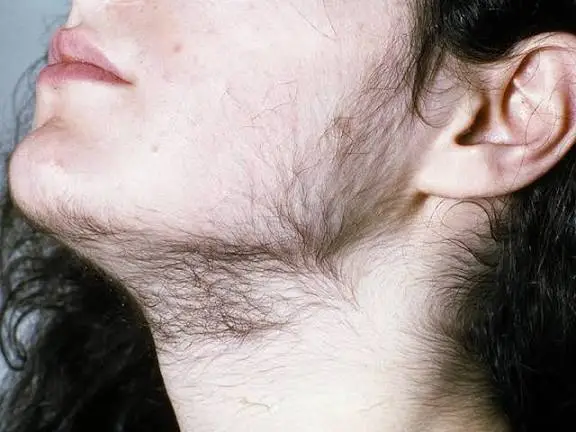
For many living with Polycystic Ovary Syndrome (PCOS), the physical symptoms can be just as challenging as the internal ones. One of the most common hurdles is hirsutism—the growth of dark, coarse hair on areas like the face, chest, and back caused by elevated androgen levels.
While PCOS is a lifelong hormonal condition, managing its outward symptoms has become more effective than ever. Laser hair removal has emerged as a gold-standard solution for those looking to reclaim their time and confidence.
Why Laser Hair Removal is a Game-Changer for PCOS
Unlike shaving or waxing, which only address hair at or just below the surface, laser treatment targets the follicle itself. For those with PCOS, this offers several transformative benefits:
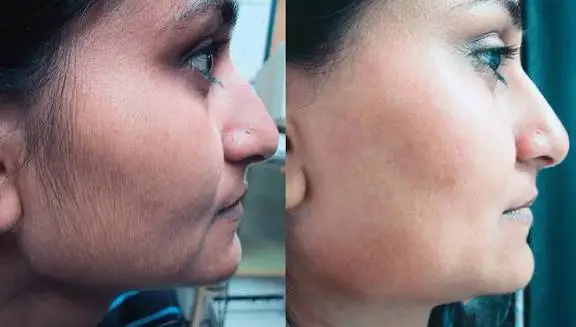
- Long-Term Hair Reduction: Most patients experience a 70–90% reduction in hair density. This means no more daily battles with a razor or painful weekly wax appointments.
- Finer, Softer Regrowth: Any hair that does return is typically much lighter and thinner, making it far less noticeable against the skin.
- Healing the Skin: Frequent shaving often leads to “green shadows,” painful ingrown hairs, and razor burn. Laser treatment eliminates these irritations and helps fade post-inflammatory hyperpigmentation (dark spots) caused by previous hair removal methods.
- The Confidence Boost: The psychological impact of PCOS-related hair growth is significant. By reducing visible hair, many find relief from the anxiety and self-consciousness often associated with the condition.
What to Expect: The PCOS Journey
Treating hair growth driven by hormones requires a slightly different approach than standard laser hair removal. If you are considering this path in 2025, here is what you should know:
- Patience is Key
Because PCOS constantly stimulates new hair growth, you will likely need more sessions than the average patient. While standard plans suggest 6 sessions, those with PCOS often require 8 to 12 sessions to achieve optimal results.
- Maintenance Matters
Laser hair removal is “permanent reduction,” not “permanent removal.” Because your hormones may continue to trigger new follicles, plan for top-up sessions every 6 to 12 months to keep your skin smooth.
- Choose the Right Technology
Advancements in laser technology have made the process safer and more effective for everyone. High-quality clinics now use Nd:YAG or Alexandrite lasers, which are specifically designed to target deep, coarse follicles and are safe for a wide range of skin tones.
- A Holistic Approach
Laser hair removal treats the effect, but managing the cause is just as important. Results are most successful when laser treatments are paired with medical management. We recommend consulting a healthcare provider to discuss anti-androgen medications or lifestyle adjustments. For more information on managing the condition, the NHS PCOS Guide offers excellent medical insights.
Take the Next Step
Managing PCOS is a journey, and you don’t have to do it alone. If you’re ready to say goodbye to the daily cycle of shaving and skin irritation, laser hair removal could be the most empowering tool in your self-care routine.
Consult with a certified laser specialist today to create a customized plan tailored to your hormonal profile and skin type.
This is for informational purposes only. For medical advice or a diagnosis, consult a professional. AI responses may include mistakes. Learn more
give above info a human touch so googel can consider it for indexing
Beyond the Razor: My Guide to Managing PCOS Hair Growth with Laser Treatment
If you’re living with Polycystic Ovary Syndrome (PCOS), you know that the “symptoms” aren’t just medical notes in a file—they are things you face every single morning in the bathroom mirror.
One of the most taxing parts of PCOS is hirsutism. Dealing with coarse, dark hair on your chin, neck, or chest can feel like a full-time job that nobody signed up for. I’ve seen how exhausting the cycle of shaving, plucking, and hiding behind makeup can be.
But there is a light at the end of the tunnel. Laser hair removal isn’t just a “beauty treatment” for those of us with PCOS; it’s a tool for reclaiming our time and our self-esteem. Here is the honest truth about how it works and what you can actually expect.
Why Laser is a Lifesaver for PCOS Skin
We’ve all been there: the painful ingrown hairs, the “beard shadow” that won’t go away, and the skin irritation from shaving every single day. Laser treatment changes the game because it stops the cycle at the root.
- You finally get a break: Imagine waking up and not having to reach for a razor immediately. Most people with PCOS see a 70–90% reduction in hair. Even the hair that stays behind becomes soft and “peach-fuzz” like, rather than prickly and dark.
- Your skin can finally heal: If you struggle with dark spots or “strawberry skin” from years of aggressive hair removal, laser gives your skin a chance to breathe. It eliminates the cause of ingrown hairs and helps your skin tone evening out over time.
- The Mental Weight Lift: There is a specific kind of anxiety that comes with wondering if people can see your facial hair in bright sunlight. Clearing that hair doesn’t just change your look; it changes how you carry yourself in the world.
Hirsutism & PCOS
(polycystic syndrome ovaries)
Understanding Causes, Symptoms & Treatments
Hirsutism is a medical condition that affects women of all ages. According to research, hirsutism can affect anywhere between 5 to 20 percent of women, and the commonness of the condition increases with age, especially after menopause. Although hirsutism is not a serious medical condition, it can have a significant emotional and psychological impact on women, affecting their confidence and self-esteem. In this topic we will go through the symptoms, causes, diagnosis, and treatment options for hirsutism.
The "Real Talk" on Treatment (What Your Doctor Might Not Mention)
Because our hair growth is driven by hormones, our laser journey looks a little different than everyone else’s. Here’s what you need to know for 2025:
It’s a Marathon, Not a Sprint
While your friends might be “done” in 6 sessions, those of us with PCOS usually need 8 to 12 sessions. Our hormones are stubborn, so our treatment needs to be too. Don’t get discouraged if it takes a few extra visits to see the results you want.
Maintenance is Part of the Process
Since PCOS can trigger new hair follicles to grow even years later, think of laser as a “management” plan. You’ll likely want a maintenance zap every 6–12 months to keep things smooth.
The Right Tech for Your Skin
Don’t settle for “IPL” (Intense Pulsed Light) which is often too weak for PCOS hair. Look for clinics using Nd:YAG or Alexandrite lasers. These are the “gold standards” that can reach the deep, stubborn follicles typical of PCOS while staying safe for all skin tones.
It Works Best with a “Team” Approach
Laser treats the hair you have, but it doesn’t fix the hormone imbalance. For the best results, it helps to work on the inside while the laser works on the outside. Whether that’s through lifestyle changes or talking to your doctor about anti-androgen options, a holistic approach is key. You can find a great starting point for medical management on the NHS PCOS Guide.